
Recent trends in the Suez Canal and SUMED Pipeline
The EIA reports on the Suez Canal and SUMED Pipeline and their position as critical energy chokepoints.

Browse the latest us energy information administration news news and articles.
The EIA reports on the Suez Canal and SUMED Pipeline and their position as critical energy chokepoints.
The EIA has reported that energy-related carbon dioxide emissions are to fall in 2019, mainly due to fewer emissions from coal consumption.
The EIA has reported that US refinery capacity reached a record high of 18.8 million b/cd at the start of 2019.
Reaching 5 million bpd, US hydrocarbon gas liquids production accounted for a quarter of total US petroleum products output in 2018, reports the EIA.
Due to refinery outages and declining inventories, California is experiencing gasoline price increases, reports EIA.

Ballast water advisory updated to assist 6 000 vessels anticipated to be retrofitting ballast water management systems each year until 2024.
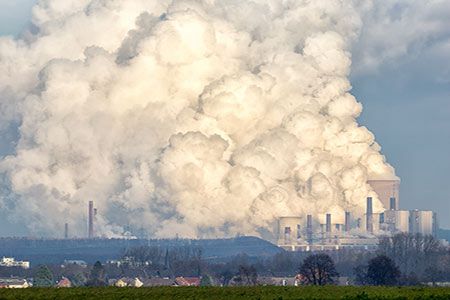
ExxonMobil has announced it will invest up to US$100 million over 10 years to research and develop advanced lower-emissions technologies with the U.S. Department of Energy’s national renewable energy laboratory and national energy technology laboratory.
EIA reports that 2018 was a record year for US energy with production outpacing consumption but increases across the board.

The US Energy Information Administration has reported that the Panama Canal expansion has allowed for more transits of propane and other hydrocarbon gas liquids.
The EIA has reported that the US exported an average of 5.6 million bpd of petroleum products in 2018, a new record.
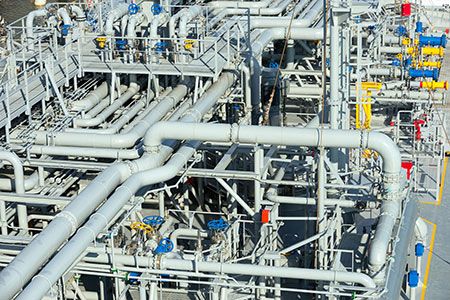
The EIA has reported that the US energy trade with Mexico involves importing crude oil and exporting petroleum products.
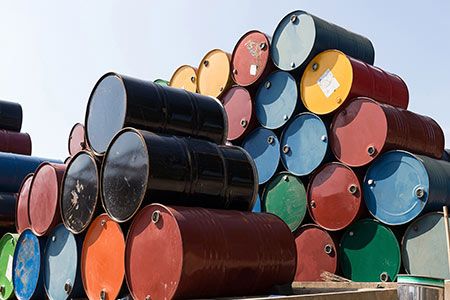
EIA research has found that 2 million bpd of crude oil were exported in 2018 to 42 destinations.