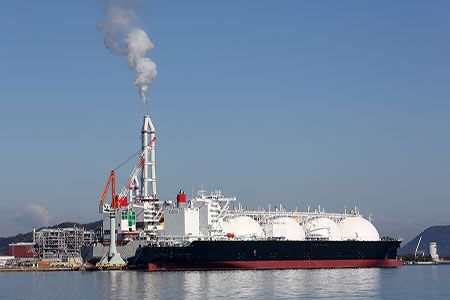
Puerto Rico’s LNG imports returned to pre-Hurricane Maria levels in late 2018
The US Office of Fossil Energy recently released its LNG Annual Report which found that Puerto Rico’s LNG imports returned to pre-Hurricane levels towards the end of 2018.

Browse the latest us energy information administration news news and articles.
The US Office of Fossil Energy recently released its LNG Annual Report which found that Puerto Rico’s LNG imports returned to pre-Hurricane levels towards the end of 2018.
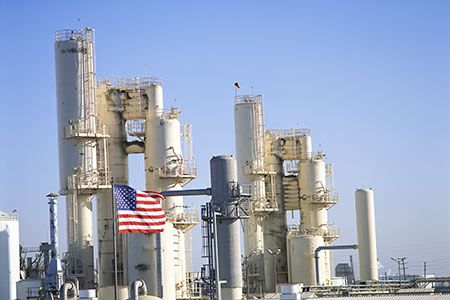
EIA finds that the average US refinery runs in 2018 were 17.3 million bpd, with further increases expected.

The US Energy Administration is projecting the stabilisation of energy-related CO2 emissions around current levels for over four decades.

As demand for hydrogen increases, US Gulf Coast refiners are consuming more hydrogen from merchant suppliers than from their own production.

US net trade of petroleum has fallen in recent years, reaching 2.3 million bpd in 2018.
The US Energy Information Administration has estimated that natural gas processing plant capacity increased by about 5% in the Lower 48 states on a net basis between 2014 and 2017.

US exports of ethane have increased from nearly nothing in 2013 to an average of 260 000 bpd through the first 10 months of 2018.

The US is projected to export more petroleum and other liquids than it imports within the decade.

EIA’s analysis indicates that the price effects that result from implementing the new IMO standard will be most acute in 2020 and will diminish over time.
During the week ending November 30, 2018, the United States exported more crude oil and petroleum products than it imported for the first time in weekly data going back to 1991.

EIA projects that US LNG export capacity will become the third largest in the world behind Australia and Qatar by the end of 2019.
On 23 November, the natural gas spot price at the Henry Hub in Louisiana, US, was US$4.70/million Btu, the highest price since a temporary spike in January 2018.