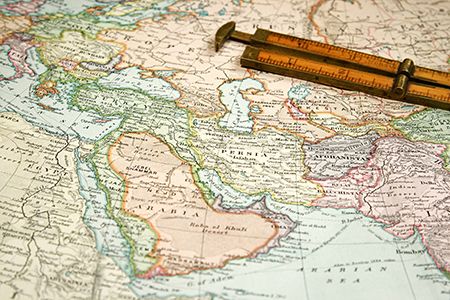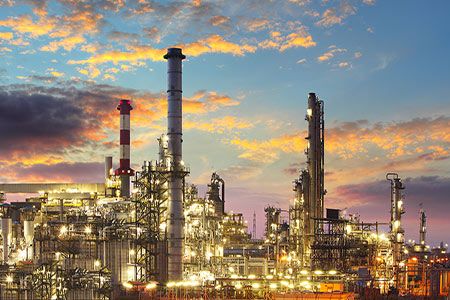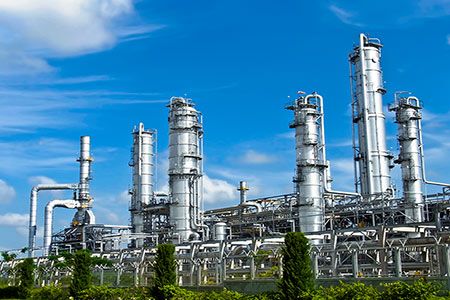
The impact is being felt unevenly across the Kingdom. Facilities in Saudi Arabia’s Eastern Province have been most heavily affected, with many plants undergoing unplanned shutdowns for restoration, while others are operating at reduced output due to constrained export routes. At the same time, operators in the Western Province are increasing production to compensate, placing additional strain on assets and accelerating the need for performance optimisation.
Across the region, these conditions are also creating shutdown periods, both planned and unplanned, which operators are using, where possible, to reassess asset reliability, performance, and long-term resilience.
The survey of oil and gas leaders and operators found that nearly half (46%) say up to half of their assets are operating beyond their original design life, while 14% report this applies to the majority of their infrastructure.
Despite these pressures, confidence in existing infrastructure remains high. More than four in five (83%) respondents said they are somewhat or very confident in their assets’ ability to meet future demand, highlighting a clear gap between confidence and operational reality.
Around 65% of respondents reported significant production or throughput losses due to unplanned downtime, underscoring the operational risks associated with ageing assets. These risks are now amplified as operators balance reduced output in some regions with intensified production demands in others.
As a result, operators are placing greater emphasis on maximising the performance of existing infrastructure. In higher-output facilities, there is a growing focus on solutions that enhance thermal efficiency and sustain reliability at elevated firing rates, helping plants maintain performance even under intensified operating conditions.
More than three-quarters (77%) of respondents said advanced asset integrity and protection solutions are viable where payback is achieved within five years.
“This reflects a clear shift in focus across the region,” said Dennis Snijders, Director Middle East and North Africa, IGS. “With disruptions affecting both export routes and production balance, operators are under pressure not only to maintain reliability, but to optimise performance under very different operating conditions. While some plants are offline, others are running harder than ever, making asset integrity and efficiency equally critical.”
The findings also highlight the growing tension between decarbonisation goals and cost pressures. While emissions reduction remains a priority, respondents identified investment constraints as the primary barrier, now compounded by operational uncertainty and shifting production dynamics.
Snijders added: "Saudi Arabia and the UAE operate some of the most advanced oil and gas facilities in the world. As these assets mature and regional conditions evolve, maintaining reliability while managing cost, emissions, and fluctuating production demands becomes more complex. Treating asset integrity as a strategic priority will be essential to sustaining long-term performance.”