
TÜV SÜD joins research programme to improve meter accuracy
TÜV SÜD National Engineering Laboratory has joined an EMPIR research consortium which aims to improve the accuracy and durability of commercially available meters for renewable gases.

TÜV SÜD National Engineering Laboratory has joined an EMPIR research consortium which aims to improve the accuracy and durability of commercially available meters for renewable gases.
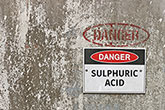
RHEINHÜTTE Pumpen describes its role in Aurubis’ ambitious plans to use waste heat from sulfuric acid production to heat the eastern district of the HafenCity in Hamburg, Germany.

Despite billion-dollar financings of solar in Dubai and offshore wind in Taiwan, clean energy investment is down, BloombergNEF reports.

The IEA Commission for Urgent Action on Energy Efficiency has been established, composed of government ministers, business executives and thought leaders.

Total and IFPEN have agreed a R&D partnership to curb carbon emissions.

The EPA has issued a proposed rule under the RFS programme that would set the minimum amount of renewable fuels that must be supplied to the market in 2020.

Eni has signed a memorandum of understanding regarding the circular economy with the Italian farming organisation, Coldiretti.

The Centre for Research into Energy Demand Solutions (CREDS) has launched a report that proposes actions to strengthen and deliver the commitments in the UK government’s Clean Growth Strategy.
ExxonMobil launches Mobil Pegasus 610 Ultra oil for modern medium- and high-speed four cycle gas engines.

Wärtsilä has merged its Puregas Solutions and biogas liquefaction teams to form the Biogas Solutions unit, aiming to expand its biofuel technology offering.

Total has started up production at the La Mède biorefinery in southeastern France.

ABS has published guidance on available technologies, regulatory requirements and installation and operational considerations for adopting gas or other low flash point fuels.

ExxonMobil and Global Thermostat have agreed to evaluate the scalability of technology which removes carbon dioxide from industrial sources and the atmosphere.

BP has invested US$30 million in Calysta, a company which uses natural gas to produce protein for animal feeds.

Titled ‘Delivering Energy With Purpose,’ Sempra Energy has released its corporate sustainability report outlining its 2018 performance.