
US Energy Information Administration news

US natural gas inventories near five-year average
After starting the winter heating season below its previous five-year average, Lower 48 working natural gas in storage surpassed its five-year average in mid-December during one of the warmest Decembers on record.

EIA: OPEC production to grow in 2022
In its January Short-Term Energy Outlook, the EIA forecasts that OPEC petroleum production will increase by nearly 2.7 million bpd in 2022 – the largest y/y increase in OPEC production since 2004.
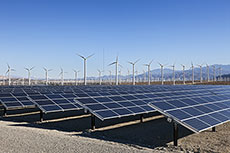
Renewable energy to reduce electricity generation from natural gas
The EIA’s January ‘Short-Term Energy Outlook’ forecasts that rising electricity generation from renewable energy resources will reduce generation from fossil fuel power plants over the next two years.

EIA: crude oil prices to decline
Persistent withdrawals from global oil inventories have led to increases in crude oil prices, but the EIA forecasts that global oil markets will begin to balance through 2023, leading to a drop in prices.

The EIA reports on 2021 natural gas prices
In 2021, the wholesale spot price for natural gas at the Henry Hub in Louisiana (the US benchmark for natural gas prices) averaged US$3.89/million Btu.

EIA: average gasoline and diesel prices decrease in the US
The US average regular gasoline retail price decreased by US$0.02 to US$3.28/gal. on 27 December 2021, US$1.03 higher than in 2020.
US LNG export capacity set to be the world’s largest in 2022
According to an EIA report, once the new LNG trains at Sabine Pass LNG and Calcasieu Pass LNG are placed in service, US LNG export capacity will become the world’s largest.

EIA reports increased jet fuel crack spread in the US
US jet fuel inventories have fallen below their five-year average as a result of less refinery production in October 2021, and increased jet fuel consumption during summer 2021.

EIA: carbon fees to decrease emissions by 2050
According to analysis from EIA, carbon fees as high as US$35/t could decrease CO2 emissions in the US by as much as 19% in 2050, compared to 2020 levels.

EIA expects increased US propane consumption this winter
The EIA expects 3.4% more US propane consumption this winter compared with last winter, reflecting greater use of propane as a petrochemical feedstock.