
US EIA: short-term energy outlook
The US Energy Information Administration (EIA) has released its latest Short-Term Energy Outlook (STEO).

Browse the latest us energy information administration news news and articles.
The US Energy Information Administration has released its latest Short-Term Energy Outlook (STEO).

The US EIA explores how disruptions to global refining activities are affecting gasoline supplies.
As CCS projects scale across Europe and beyond, insulation plays a vital role in efficiency, durability, and process reliability. PAROC® and FOAMGLAS® insulation solutions provide solutions across the wide temperature ranges found in CCS operations, helping reduce energy losses, minimise corrosion under insulation (CUI), protect personnel, and support long-term plant performance.

Seaborne petroleum product exports from Nigeria have grown seven-fold since 2023, playing an increasing role in the international market for petroleum products at a time when supplies from other areas have been constrained, the EIA has reported.
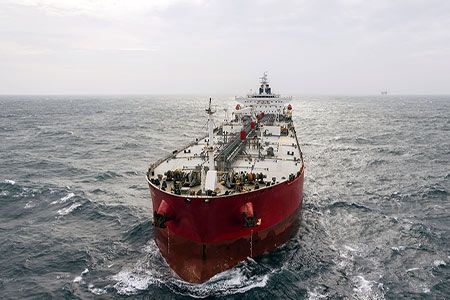
Waterborne shipments of crude oil and petroleum products from the US Gulf Coast to the West Coast more than quadrupled year-on-year in April and May following a waiver that permitted a broader group of ships to travel between US ports, the US EIA has reported.

The US Energy Information Administration expects natural gas inventories will increase to 3985 billion ft3 in October, the most gas in inventories ahead of the winter heating season since 2016.

China, the world’s largest importer of crude oil, imported less crude oil in 2Q26 following higher crude oil prices that resulted from disrupted flows through the Strait of Hormuz, the US EIA has reported.

The value of energy trade between the US and Canada fell by 11% in 2025 to an estimated US$137 billion, according to data from the US Census Bureau, the US EIA has reported.

For the week ending 17 July 2026, commercial crude oil inventories (excluding the Strategic Petroleum Reserve) increased 2.0 million barrels to 411.7 million barrels, 6% below the previous five-year (2021 - 2025) average, the US EIA has reported.