
Why LNG facilities need a layered approach to gas and flame detection
Published by Callum O'Reilly,
Senior Editor
Hydrocarbon Engineering,
LNG facilities handle natural gas in multiple states across their lifecycle. Gas is produced and processed under pressure, cooled into a cryogenic liquid for storage and transport, and later returned to a gaseous state for distribution. Each transition introduces distinct operating conditions along with different types of risk.
Across the LNG value chain, including gas processing plants, liquefaction trains, storage tanks, loading terminals, carriers, and regasification facilities, there are numerous points where accidental releases can occur. Even with well-designed systems and established safety procedures, leaks can still occur.
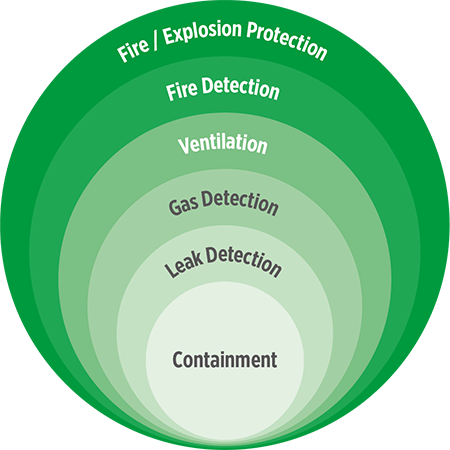
An undetected release can lead to operational disruption, environmental impact, and even fire, explosion, or injury. For this reason, gas and flame detection systems remain an important part of LNG safety strategies. However, no single detection method is well suited for every scenario. Variations in process conditions, environments, and equipment counsel in favour of a combination of technologies used together in a layered approach.
Different stages, different detection needs
Conditions across LNG operations vary significantly. Gas processing and compression systems may involve pressurised methane, while liquefaction and storage introduce cryogenic temperatures. Marine terminals and loading facilities typically operate in open, outdoor environments where weather conditions can influence detection performance.
Regasification facilities may combine multiple hazard types within a single site. As a result, LNG operators often deploy a mix of gas and flame detection technologies, each selected for specific applications and risk scenarios.
Open path detection for wide-area monitoring
Outdoor LNG environments, particularly coastal sites, are frequently affected by fog, humidity, wind, and precipitation. These factors can complicate gas detection and increase the likelihood of nuisance alarms.
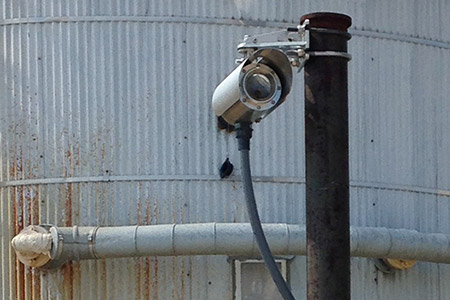
Open path gas detection technologies are widely used in these settings because they provide coverage over larger areas compared to point detectors. Laser-based systems, such as the Senscient ELDS™, are designed to detect methane while reducing sensitivity to environmental interference and cross-gas effects.
These characteristics can make them suitable for perimeter monitoring, tank farms, and open processing areas where longer detection paths are beneficial.
Flame detection in challenging conditions
Flame detection in LNG environments can also be affected by environmental factors. Sunlight, hot equipment, welding activity, and reflective surfaces may introduce interference that complicates detection.
Multi-Spectrum Infrared technologies address this challenge by analysing multiple infrared wavelengths to help distinguish between actual flame events and background radiation sources. Devices such as the General Monitors® FL5000 Flame Detector incorporate multi-spectrum sensing with algorithm-based analysis to evaluate flame characteristics and reduce the likelihood of false alarms.
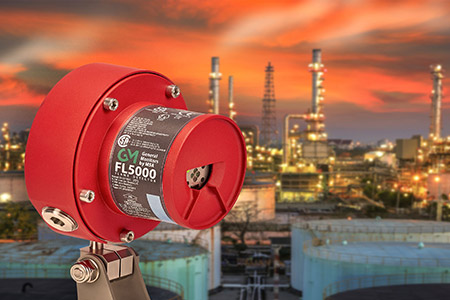
When properly applied, these technologies can support more reliable flame detection in demanding outdoor conditions.
Ultrasonic detection for early leak recognition
Not all gas releases behave the same way. In high-pressure systems, leaks may initially produce ultrasonic sound before a detectable gas cloud forms, especially in areas where wind disperses gas quickly.
Ultrasonic gas leak detection is designed to identify the acoustic signature of pressurised gas releases. Solutions such as the Observer®i Ultrasonic Gas Leak Detector are designed to detect these sound signatures, providing coverage that is not dependent on gas concentration or plume movement.
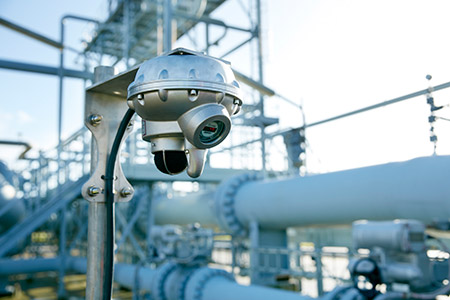
This approach does not replace conventional gas detection but instead adds another layer of coverage. In certain scenarios, it can provide earlier indication of a release compared to concentration-based detectors alone.
This makes ultrasonic detection particularly relevant in compressor stations and high-pressure process areas.
The role of point gas detection
Despite advances in newer technologies, point gas detection continues to serve as a core component of LNG safety systems. Fixed detectors are used throughout facilities to monitor combustible and toxic gases at specific locations where leaks are most likely to occur.
Flexible platforms such as the ULTIMA® X5000 Gas Monitor support multiple sensing technologies, including electrochemical sensors for toxic gases like hydrogen sulfide and carbon monoxide, as well as infrared sensors for hydrocarbon gases such as methane. This adaptability allows operators to apply the appropriate sensing method based on the hazard and application.
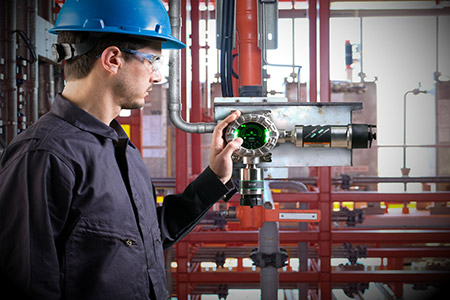
Depending on the configuration and operating conditions, these technologies can offer extended service intervals and consistent monitoring capability. While reduced maintenance can be a benefit, the primary objective is supporting system availability and helping ensure detectors remain functional when needed.
A layered strategy for complex facilities
As LNG infrastructure becomes larger and more complex, detection strategies must evolve accordingly. Relying on a single technology may leave gaps in coverage due to variations in environment, process conditions, or leak behaviour.
A layered detection approach integrates multiple technologies, including point gas detection, open path systems, ultrasonic monitoring, and flame detection. Each contributes distinct capabilities, supporting broader coverage and more resilient detection performance across a range of conditions.
Rather than focusing on a single ‘best’ solution, effective safety strategies consider how different technologies can work together to address site-specific risks.
Supporting safe LNG operations
Gas and flame detection are important elements within a broader safety framework that includes system design, operational procedures, and ongoing risk assessment. When properly selected, installed, and maintained, detection technologies can help support early identification of hazards and more informed response actions.
Organisations should evaluate detection solutions in the context of their specific operations, environmental conditions, and applicable regulatory requirements.
MSA recognises the critical role gas and flame detection plays across the LNG value chain. The company continues to develop technologies designed to help operators protect people, assets, and operations at every stage of the process.
Learn more about MSA's LNG detection solutions at: https://msasafety.com/lng-detection
Read the article online at: https://www.hydrocarbonengineering.com/special-reports/23072026/why-lng-facilities-need-a-layered-approach-to-gas-and-flame-detection/
You might also like
The Hydrocarbon Engineering Podcast
A podcast series for professionals in the downstream industry featuring short, insightful interviews. Subscribe on your favourite podcast app to start listening today.


