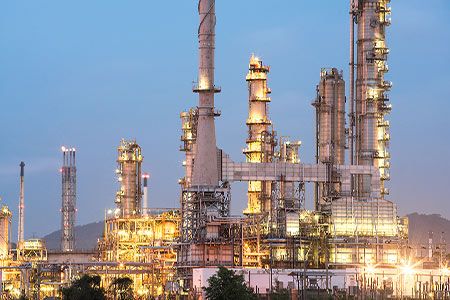
Honeywell Technologies partners with Hengyi Industries for efficiency improvements
Honeywell Technologies has announced it will help Hengyi Industries to improve efficiency at its petrochemical project in Brunei.

Browse the latest middle east downstream news news and articles.

The US Energy Information Administration (EIA) has released its latest Short-Term Energy Outlook (STEO).

Westlake Corp. has announced that, in light of challenging market conditions, the company is taking action to improve profitability by closing its polyvinyl chloride (PVC) plant in Cologne, Germany.
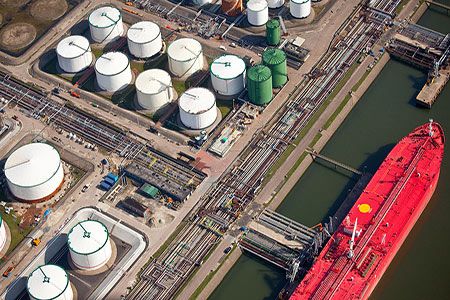
PIF Energy has announced a planned US$2 billion investment to acquire up to 15 crude oil tankers, adding seaborne transport capacity at a time when disruption around the Strait of Hormuz and tight refined-product markets are intensifying the global fuel crisis.

Petrochemical Industries Co. (PIC), a subsidiary of Kuwait Petroleum Corp. (KPC), has signed a memorandum of understanding (MoU) with AmCham Kuwait to advance petrochemical investment and commercial cooperation.
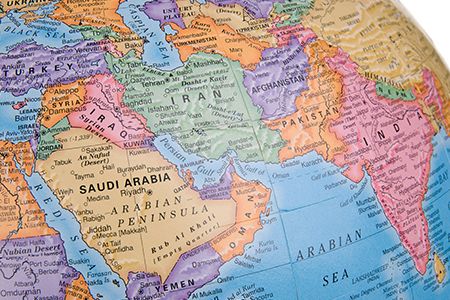
The International Energy Agency (IEA) explores why diesel prices are surging amid the latest hostilities in the Middle East.
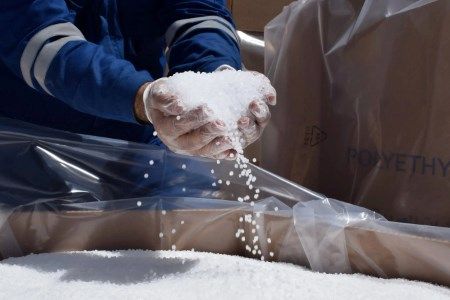
Borouge Group International AG has announced that it has delivered the first batch of materials from its new Cross-Linked Polyethylene (XLPE) plant in the UAE to customers in the region.
The US Energy Information Administration has released its latest Short-Term Energy Outlook (STEO).
The Middle East conflict continues to disrupt oil exports through the Strait of Hormuz, straining markets and pressuring inventories – and increasing the urgency of reopening the critical waterway, according to the IEA's latest Oil Market Report.
Abundant gas resources are expected to drive gas processing capacity additions in the region, GlobalData has reported.